


Can Packaging - Grade Multi - Ply Plywood be used for packaging stationery?
As a supplier of Packaging - Grade Multi - Ply Plywood, I often encounter various inquiries from customers about the applications of our products. One question that has come up frequently is whether packaging - grade multi - ply plywood can be used for packaging stationery. In this blog post, I will delve into this topic and provide a comprehensive analysis.
Characteristics of Packaging - Grade Multi - Ply Plywood
Packaging - grade multi - ply plywood is a type of engineered wood product that consists of multiple thin layers of wood veneers glued together. These veneers are usually arranged with their grain directions perpendicular to each other, which gives the plywood enhanced strength and stability.
One of the key features of packaging - grade multi - ply plywood is its durability. It can withstand a certain amount of impact, pressure, and moisture, making it suitable for protecting goods during transportation and storage. The plywood is also relatively lightweight compared to solid wood, which can help reduce shipping costs.
There are different thicknesses of packaging - grade multi - ply plywood available, such as 18mm Packaging Plywood and 12mm Packaging Plywood. Thicker plywood generally offers more strength and protection, while thinner plywood may be more suitable for applications where weight is a concern.
Suitability for Stationery Packaging
Protection
Stationery items, such as pens, pencils, notebooks, and erasers, are often delicate and can be easily damaged. Packaging - grade multi - ply plywood can provide excellent protection for these items. Its rigid structure can prevent the stationery from being crushed or deformed during handling and shipping. For example, if a box made of multi - ply plywood is used to package a set of high - end fountain pens, the plywood can absorb the shock and impact that may occur during transit, ensuring that the pens arrive at their destination in perfect condition.
Customization
Another advantage of using packaging - grade multi - ply plywood for stationery packaging is its high degree of customization. Plywood can be easily cut, shaped, and assembled into various box sizes and designs. This allows stationery manufacturers to create unique and attractive packaging that not only protects the products but also enhances their brand image. For instance, a stationery company may want to design a special - shaped box for a limited - edition notebook. With multi - ply plywood, they can achieve this design without much difficulty.
Sustainability
In today's market, sustainability is an important consideration for many consumers. Packaging - grade multi - ply plywood is a more sustainable option compared to some other packaging materials. Wood is a renewable resource, and the production of plywood often uses less energy and generates fewer emissions compared to the production of plastic or metal packaging. Additionally, plywood can be recycled or reused after its initial use, which further reduces its environmental impact.
Cost - Effectiveness
When it comes to cost, packaging - grade multi - ply plywood can be a cost - effective solution for stationery packaging. While the initial cost of plywood may be slightly higher than some other materials, its durability and reusability can offset this cost in the long run. For example, a stationery business that uses plywood boxes for packaging can reuse these boxes multiple times, reducing the need for frequent replacement of packaging materials.
Potential Challenges
Moisture Sensitivity
Although packaging - grade multi - ply plywood has some resistance to moisture, it is still relatively sensitive compared to materials like plastic. If the stationery is to be stored or transported in a humid environment, there is a risk of the plywood absorbing moisture, which can lead to warping, swelling, and mold growth. To mitigate this risk, appropriate moisture - resistant treatments can be applied to the plywood, such as coating it with a waterproof paint or film.
Appearance
Some stationery items, especially high - end and luxury products, require packaging with a high - end appearance. While plywood can be painted or finished to improve its appearance, it may not have the same sleek and modern look as some other materials, such as plastic or metal. However, with the right finishing techniques, plywood can still achieve an elegant and professional look.
Conclusion
In conclusion, packaging - grade multi - ply plywood can be a viable option for packaging stationery. Its strength, customization options, sustainability, and cost - effectiveness make it a competitive choice in the market. However, it is important to be aware of its potential challenges, such as moisture sensitivity and appearance limitations, and take appropriate measures to address them.

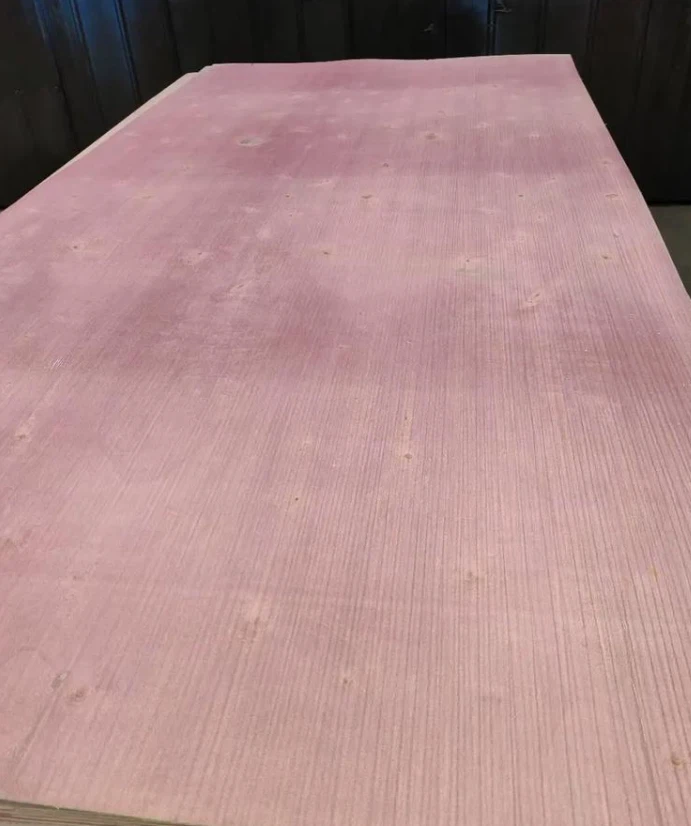
If you are a stationery manufacturer or distributor and are interested in using packaging - grade multi - ply plywood for your products, I encourage you to contact us for more information. We can provide you with samples, detailed product specifications, and professional advice on the best packaging solutions for your stationery. Let's work together to create high - quality and sustainable packaging for your stationery products.
References
- Smith, J. (2020). The Basics of Plywood: A Guide to its Properties and Applications. Woodworking Journal, 15(2), 34 - 42.
- Green, A. (2019). Sustainable Packaging Materials: A Comparative Analysis. Environmental Science Review, 22(3), 123 - 135.
- Brown, M. (2021). Protecting Delicate Goods During Shipping: The Role of Packaging Materials. Logistics and Supply Chain Management, 30(1), 56 - 64.