


Hey there! I'm a supplier of pet plywood, and I know how crucial it is to store this stuff properly. Pet plywood is a great material, used in all sorts of pet - related products like cages, beds, and play areas. But if it's not stored right, it can lose its quality and durability. So, let's dive into how to store pet plywood the right way.
1. Choose the Right Location
First things first, you need to pick a suitable place to store your pet plywood. The ideal location should be dry, well - ventilated, and protected from direct sunlight.
A dry environment is key because pet plywood can absorb moisture from the air. When it does, it can start to warp, swell, or even develop mold. You don't want that, especially when your customers are counting on you to provide high - quality products. A basement might seem like a good option, but if it's prone to flooding or high humidity, it's a no - go. Instead, look for a storage shed or a dedicated warehouse area that has a low humidity level.
Good ventilation is also important. It helps to keep the air circulating around the plywood, preventing the build - up of moisture and any musty odors. You can use fans or open windows to ensure proper air movement.
Direct sunlight can cause the plywood to fade and become brittle over time. So, store your pet plywood in a shaded area. If you're storing it outside, use a tarp or a cover to shield it from the sun.
2. Prepare the Storage Surface
Before you stack your pet plywood, make sure the storage surface is clean, flat, and level. A dirty surface can transfer dirt and debris to the plywood, which might affect its finish. And an uneven surface can cause the plywood to bend or warp as it sits.
You can use pallets to elevate the plywood off the ground. This helps to prevent contact with any moisture that might seep through the floor. Make sure the pallets are in good condition and evenly spaced to support the weight of the plywood.
3. Stacking the Plywood
When it comes to stacking pet plywood, there are a few things to keep in mind.
First, stack the plywood in an orderly manner. Keep the sheets flat and aligned with each other. This not only makes it easier to access the plywood when you need it but also helps to prevent damage.
You can stack the plywood vertically or horizontally, depending on your storage space and the size of the sheets. If you stack it vertically, make sure it's supported properly to prevent it from toppling over. You can use racks or braces to keep the plywood in place.
If you stack it horizontally, don't stack too many sheets on top of each other. Over - stacking can put too much pressure on the bottom sheets, causing them to warp. A good rule of thumb is to limit the height of the stack to a reasonable level, maybe around 4 - 5 feet.
4. Protect the Edges
The edges of the pet plywood are particularly vulnerable to damage. They can get chipped or splintered during storage or handling. To protect the edges, you can use edge protectors. These are usually made of plastic or rubber and can be easily attached to the edges of the plywood.
Another option is to wrap the edges with a soft material like bubble wrap. This provides an extra layer of protection and helps to prevent any scratches or dents.
5. Check Regularly
Even if you've stored your pet plywood in the best possible way, it's still a good idea to check on it regularly. Look for any signs of damage, such as warping, swelling, or mold. If you notice any issues, take action immediately.
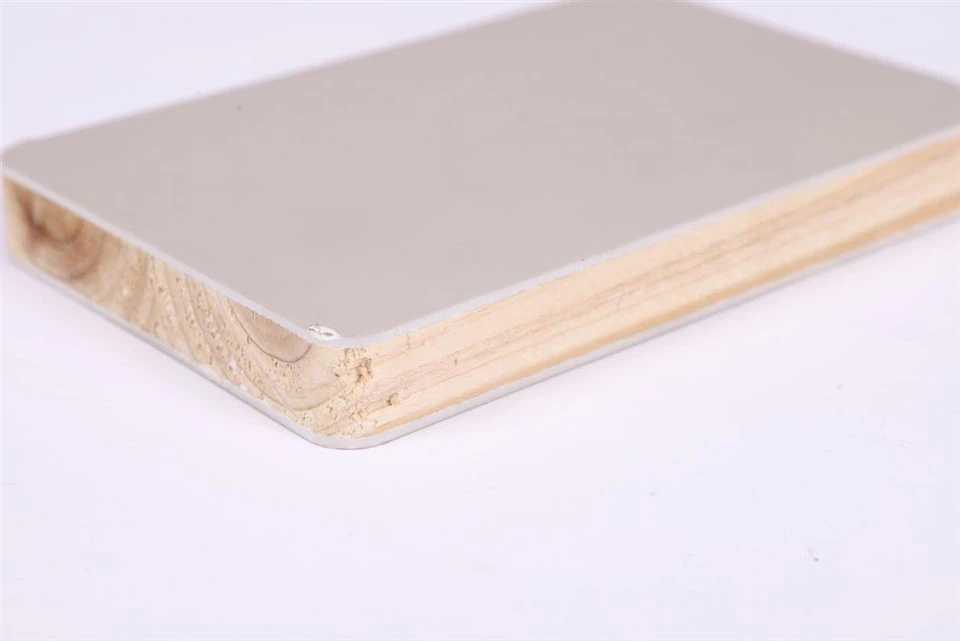

For example, if you see a little bit of mold starting to grow, you can clean it off with a mild detergent and water. But if the damage is more severe, you might need to replace the affected sheets.
6. Consider the Type of Pet Plywood
There are different types of pet plywood available, like 18mm Plywood Facing PET and 9mm PET Plywood. Each type might have slightly different storage requirements.
Thicker plywood, like the 18mm one, is generally more durable and less likely to warp. But it's also heavier, so you need to make sure your storage surface can support the weight.
Thinner plywood, such as the 9mm, is more flexible but can be more prone to damage. You might need to be extra careful when stacking and handling it.
7. Keep Records
It's a good idea to keep records of your pet plywood storage. Note down when you received the plywood, how it was stored, and any inspections or maintenance you've done. This can be helpful if you need to troubleshoot any issues later on or if you're dealing with a customer complaint.
Conclusion
Storing pet plywood properly is essential for maintaining its quality and ensuring customer satisfaction. By choosing the right location, preparing the storage surface, stacking it correctly, protecting the edges, checking regularly, considering the type of plywood, and keeping records, you can make sure your pet plywood stays in great condition.
If you're interested in purchasing high - quality pet plywood, whether it's the 18mm Plywood Facing PET or 9mm PET Plywood, feel free to reach out to start a procurement discussion. I'm here to help you get the best products for your pet - related projects.
References
- Wood Industry Handbook: Covers general plywood storage and handling best practices.
- Pet Product Manufacturing Guidelines: Offers insights on using pet plywood in different applications.