


As a pet plywood supplier, I often receive inquiries about the appropriate grit sandpaper for pet plywood. The choice of sandpaper grit plays a crucial role in achieving the desired finish and surface quality of pet plywood, which is used in various pet-related applications such as pet houses, cages, and furniture. In this blog post, I will delve into the factors to consider when selecting sandpaper grit for pet plywood and provide recommendations based on different stages of the sanding process.
Understanding Sandpaper Grit
Sandpaper grit refers to the size of the abrasive particles on the sandpaper. It is measured by a number, with lower numbers indicating coarser grits and higher numbers representing finer grits. Coarse grit sandpapers are used for heavy material removal, while fine grit sandpapers are used for smoothing and finishing the surface.
The grit of sandpaper is typically marked on the back of the sandpaper sheet. Common grit sizes range from 40 to 600, with some specialty sandpapers available in even finer or coarser grits. When choosing sandpaper for pet plywood, it is important to understand the relationship between grit size and the sanding task at hand.

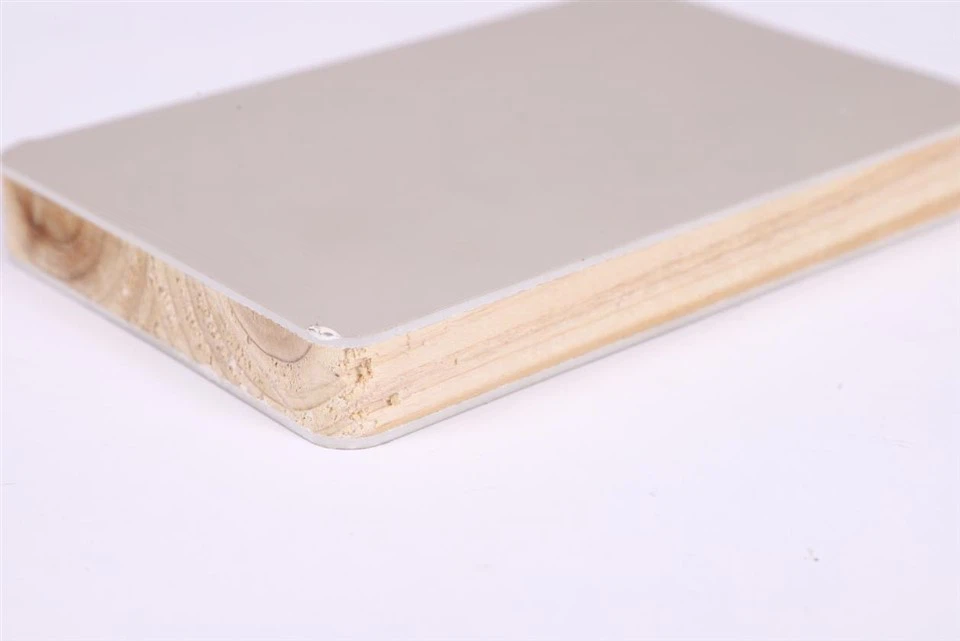
Factors to Consider When Choosing Sandpaper Grit
Several factors should be considered when selecting sandpaper grit for pet plywood:
- Initial Surface Condition: The initial surface condition of the pet plywood will determine the starting grit of sandpaper. If the plywood has rough edges, splinters, or uneven surfaces, a coarse grit sandpaper (40 - 80) should be used to remove the excess material and smooth out the surface.
- Desired Finish: The desired finish of the pet plywood will also influence the choice of sandpaper grit. For a rough, rustic look, a coarser grit sandpaper (80 - 120) may be sufficient. However, if a smooth, polished finish is desired, a finer grit sandpaper (180 - 600) should be used for the final sanding.
- Type of Wood: Different types of wood have different densities and hardness levels, which can affect the sanding process. Hardwoods such as oak and maple may require a coarser grit sandpaper to remove material, while softwoods such as pine and cedar may be sanded with a finer grit sandpaper.
- Sanding Method: The sanding method used, such as hand sanding or machine sanding, can also impact the choice of sandpaper grit. Hand sanding allows for more control and precision, while machine sanding can be faster and more efficient. When using a machine sander, it is important to choose a sandpaper grit that is compatible with the sander's speed and pressure.
Recommended Sandpaper Grits for Pet Plywood
Based on the factors mentioned above, here are some recommended sandpaper grits for different stages of the sanding process:
- Coarse Sanding (40 - 80 Grit): This stage is used to remove the rough edges, splinters, and uneven surfaces of the pet plywood. A coarse grit sandpaper is ideal for this task as it can quickly remove a large amount of material. Start with a 40 - 60 grit sandpaper for heavily damaged or rough surfaces, and then move up to an 80 grit sandpaper for a smoother finish.
- Medium Sanding (100 - 150 Grit): After the initial coarse sanding, a medium grit sandpaper should be used to further smooth the surface of the pet plywood. This stage helps to remove any remaining scratches or imperfections left by the coarse sandpaper. A 100 - 120 grit sandpaper is suitable for most pet plywood applications, while a 150 grit sandpaper can be used for a finer finish.
- Fine Sanding (180 - 220 Grit): The fine sanding stage is used to achieve a smooth, polished finish on the pet plywood. A fine grit sandpaper is used to remove any remaining scratches or marks and to prepare the surface for staining or painting. A 180 - 220 grit sandpaper is recommended for this stage, depending on the desired level of smoothness.
- Extra Fine Sanding (240 - 600 Grit): This stage is optional and is used for a super smooth, mirror-like finish on the pet plywood. An extra fine grit sandpaper is used to remove any microscopic scratches or imperfections and to create a silky-smooth surface. A 240 - 320 grit sandpaper can be used for a high-quality finish, while a 400 - 600 grit sandpaper can be used for a professional-grade finish.
Tips for Sanding Pet Plywood
Here are some tips to help you achieve the best results when sanding pet plywood:
- Use a Sanding Block: When hand sanding, use a sanding block to ensure even pressure and a consistent finish. A sanding block helps to prevent uneven sanding and ensures that the surface of the pet plywood is smooth and flat.
- Sand in the Direction of the Grain: Always sand in the direction of the wood grain to prevent scratching and to achieve a smooth finish. Sanding against the grain can cause the wood fibers to splinter and create a rough surface.
- Change Sandpaper Regularly: As the sandpaper wears out, it becomes less effective at removing material and can leave scratches on the surface of the pet plywood. Change the sandpaper regularly to ensure a consistent finish and to prevent damage to the wood.
- Clean the Surface: After each sanding stage, clean the surface of the pet plywood with a vacuum or a damp cloth to remove any dust or debris. This helps to prevent the dust from getting trapped in the sandpaper and causing scratches on the surface.
- Test the Finish: Before applying a stain or paint to the pet plywood, test the finish on a small, inconspicuous area to ensure that you are happy with the results. This allows you to make any necessary adjustments to the sanding process or the type of finish before applying it to the entire surface.
Conclusion
Choosing the right sandpaper grit for pet plywood is essential for achieving the desired finish and surface quality. By considering the initial surface condition, desired finish, type of wood, and sanding method, you can select the appropriate sandpaper grit for each stage of the sanding process. Remember to follow the recommended sandpaper grits and tips provided in this blog post to ensure a smooth, professional-looking finish on your pet plywood.
If you are interested in purchasing high-quality pet plywood for your pet-related projects, we offer a wide range of 9mm PET Plywood and 18mm Plywood Facing PET products. Our pet plywood is made from premium materials and is designed to meet the highest standards of quality and durability.
If you have any questions or would like to discuss your pet plywood requirements, please feel free to contact us. We are here to help you find the perfect pet plywood solution for your needs.
References
- Wood Finishing Basics: A Guide to Sanding and Finishing Wood, by Bob Flexner
- The Complete Guide to Woodworking, by Popular Woodworking Magazine
- Sanding Techniques for Woodworking, by Fine Woodworking Magazine