


Sunlight is a powerful natural force that has a profound impact on various materials, including pet plywood. As a pet plywood supplier, I've witnessed firsthand how exposure to sunlight can affect the quality and longevity of our products. In this blog, I'll delve into the scientific aspects of the sunlight's influence on pet plywood, discuss how it can impact its performance, and provide insights on how to mitigate these effects.
Understanding Pet Plywood
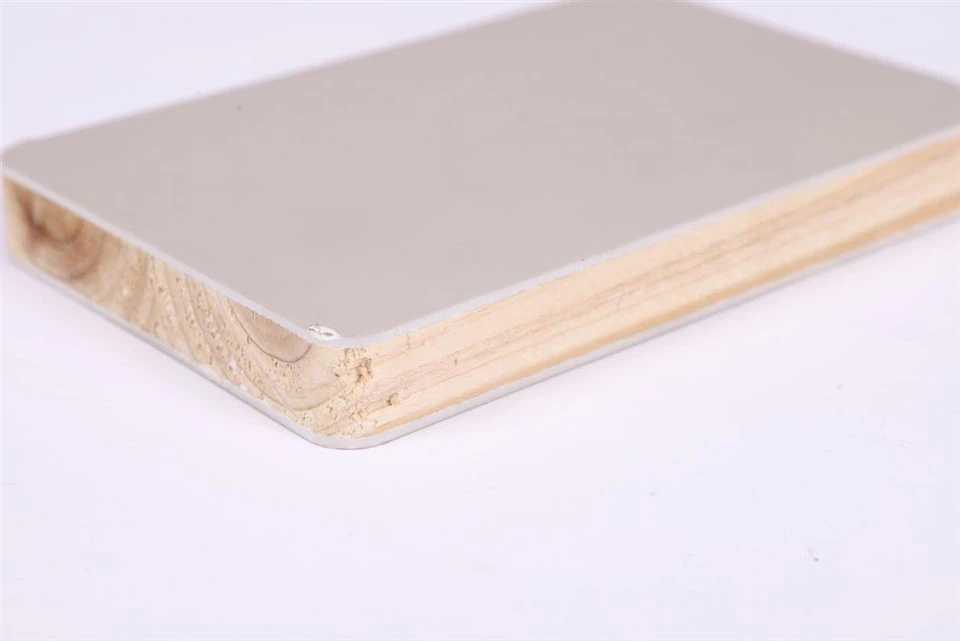
Before we explore the impact of sunlight, let's briefly understand what pet plywood is. Pet plywood is a type of engineered wood product that combines the strength and durability of plywood with the protective and aesthetic qualities of polyethylene terephthalate (PET) facing. This facing not only enhances the appearance of the plywood but also provides resistance to moisture, scratches, and chemicals. It is commonly used in various applications, including furniture, cabinetry, interior decoration, and pet enclosures.
The Science of Sunlight and Its Components
Sunlight is composed of different types of electromagnetic radiation, including ultraviolet (UV) rays, visible light, and infrared (IR) rays. Each of these components can have a distinct impact on pet plywood:
- Ultraviolet (UV) Rays: UV rays are the most harmful component of sunlight when it comes to the degradation of materials. They have a shorter wavelength and higher energy than visible light, which allows them to penetrate the surface of the pet plywood and break down the molecular bonds in the wood fibers and the PET facing. This can lead to a variety of issues, including discoloration, fading, embrittlement, and surface cracking.
- Visible Light: While visible light is generally less damaging than UV rays, it can still contribute to the fading of colors in the pet plywood over time. The pigments in the PET facing and the wood itself can absorb certain wavelengths of visible light, causing them to lose their vibrancy and become dull.
- Infrared (IR) Rays: IR rays are responsible for the heat we feel from sunlight. Prolonged exposure to high temperatures can cause the wood to expand and contract, leading to warping, splitting, and delamination of the plywood. Additionally, the heat can accelerate the chemical reactions that occur in the wood and the PET facing, further contributing to their degradation.
Impact of Sunlight on Pet Plywood
Discoloration and Fading
One of the most noticeable effects of sunlight on pet plywood is discoloration and fading. The UV rays in sunlight can cause the pigments in the PET facing and the wood to break down, resulting in a loss of color intensity and a change in the overall appearance of the plywood. This can be particularly problematic for applications where the aesthetic appeal of the plywood is important, such as furniture and interior decoration.
For example, if you have a pet enclosure made of pet plywood that is exposed to direct sunlight for extended periods, you may notice that the colors on the surface of the plywood start to fade and become dull. This can make the enclosure look old and worn, even if it is relatively new.
Embrittlement and Surface Cracking
Another significant impact of sunlight on pet plywood is embrittlement and surface cracking. The UV rays can break down the molecular bonds in the wood fibers and the PET facing, making them more brittle and prone to cracking. This can weaken the structural integrity of the plywood and reduce its lifespan.
In addition, the heat from the infrared rays can cause the wood to expand and contract, which can further exacerbate the cracking. If the cracking is severe enough, it can allow moisture to penetrate the plywood, leading to rot and decay.
Warping and Delamination
Prolonged exposure to sunlight and high temperatures can also cause pet plywood to warp and delaminate. The uneven expansion and contraction of the wood due to the heat can cause the plywood to bend and twist out of shape. This can be a major problem for applications where the flatness of the plywood is critical, such as in cabinetry and furniture.
Delamination, on the other hand, occurs when the layers of the plywood separate from each other. This can be caused by the breakdown of the adhesive between the layers due to the heat and the chemical reactions that occur in the wood. Delamination can significantly reduce the strength and durability of the plywood, making it unsuitable for use in many applications.

Mitigating the Impact of Sunlight on Pet Plywood
While it's impossible to completely eliminate the impact of sunlight on pet plywood, there are several steps you can take to mitigate these effects and extend the lifespan of your products:
- Use UV-Resistant Coatings: Applying a UV-resistant coating to the surface of the pet plywood can help protect it from the harmful effects of UV rays. These coatings can absorb or reflect the UV rays, preventing them from penetrating the surface of the plywood and causing damage. There are various types of UV-resistant coatings available, including clear coatings, stains, and paints.
- Provide Shade and Protection: Whenever possible, try to place pet plywood in areas where it is protected from direct sunlight. This can help reduce the exposure to UV rays and heat, minimizing the risk of discoloration, fading, embrittlement, and warping. For example, you can use blinds, curtains, or awnings to block the sunlight from reaching the plywood.
- Choose the Right Location: When selecting a location for pet plywood applications, consider the amount of sunlight the area receives. Avoid placing the plywood in areas that are exposed to full sunlight for extended periods, such as south-facing windows or outdoor areas without shade. Instead, choose locations that are shaded or receive indirect sunlight.
- Regular Maintenance: Regular maintenance can help keep pet plywood in good condition and prevent damage from sunlight. This includes cleaning the surface of the plywood regularly to remove dirt, dust, and debris, which can absorb sunlight and contribute to its degradation. You can also inspect the plywood periodically for signs of damage, such as discoloration, fading, cracking, or warping, and take appropriate action to address these issues.
Our Pet Plywood Products
As a pet plywood supplier, we offer a wide range of high-quality pet plywood products that are designed to withstand the impact of sunlight and other environmental factors. Our 18mm Plywood Facing PET and 9mm PET Plywood are both made from premium-grade wood and feature a durable PET facing that provides excellent protection against UV rays, moisture, scratches, and chemicals.
In addition to their superior performance, our pet plywood products are also available in a variety of colors and finishes to suit your specific needs and preferences. Whether you're looking for a natural wood appearance or a bold, modern color, we have the perfect pet plywood solution for you.
Contact Us for Purchasing and Negotiation
If you're interested in learning more about our pet plywood products or would like to discuss your specific requirements, please don't hesitate to contact us. We have a team of experienced professionals who are dedicated to providing you with the best possible service and support. We can help you choose the right pet plywood product for your application, answer any questions you may have, and provide you with a competitive quote.
We look forward to the opportunity to serve you and help you find the perfect pet plywood solution for your project.
References
- ASTM International. (2023). Standard Test Methods for Evaluating the Resistance of Wood Products to Weathering.
- Wood Technology and Woodworking. (2022). Impact of Sunlight on Wood Materials.
- Plywood Manufacturers Association. (2021). Guidelines for Using Plywood in Outdoor and Sun-Exposed Applications.