


Hey there! As a pet plywood supplier, I often get asked if pet plywood can be used for trailers. Well, let's dive right into this topic and find out if it's a good fit.
First off, what exactly is pet plywood? PET stands for polyethylene terephthalate, and pet plywood is a type of plywood that has a PET facing. This facing gives the plywood some unique properties that might make it suitable for trailer use.
One of the main advantages of pet plywood is its durability. The PET facing provides a protective layer that can resist scratches, abrasions, and even some chemicals. This is super important for trailers, which are often exposed to rough handling, road debris, and various environmental elements. For example, if you're using a trailer to transport heavy equipment or tools, the pet plywood can withstand the bumps and scrapes without getting damaged easily.
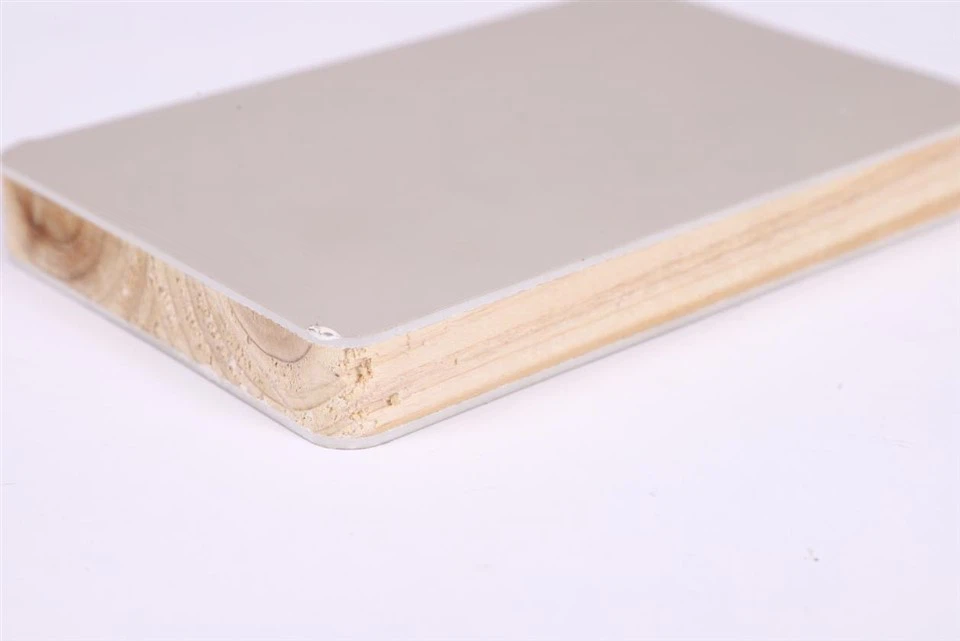

Another great thing about pet plywood is its moisture resistance. Unlike traditional plywood, which can warp or rot when exposed to water, pet plywood is much more resistant to moisture. This is crucial for trailers, especially if they're used in wet or humid conditions. You don't want your trailer floor or walls to start deteriorating due to water damage, right? With pet plywood, you can have peace of mind knowing that it will hold up well even in damp environments.
Now, let's talk about the different thicknesses of pet plywood available. We have the 9mm PET Plywood, which is a relatively thin option. This might be a good choice for trailers where weight is a concern, such as small utility trailers or lightweight camping trailers. The 9mm thickness provides a decent amount of strength while keeping the overall weight of the trailer down.
On the other hand, if you need a more heavy-duty option, the 18mm Plywood Facing PET is a great choice. This thicker plywood can handle heavier loads and is more suitable for large trailers used for commercial purposes, like hauling construction materials or livestock. The 18mm thickness offers extra strength and stability, ensuring that your trailer can withstand the rigors of heavy use.
But it's not all sunshine and rainbows. There are a few things to consider before using pet plywood for trailers. One potential drawback is the cost. Pet plywood tends to be more expensive than traditional plywood due to the added PET facing and its enhanced properties. However, when you think about the long-term benefits, such as durability and moisture resistance, the extra cost might be worth it.
Another thing to keep in mind is the installation process. Pet plywood might require some special tools and techniques for proper installation. It's important to follow the manufacturer's instructions carefully to ensure that the plywood is installed correctly and securely. If you're not experienced with installing plywood, it might be a good idea to hire a professional to do the job.
In terms of performance, pet plywood has been shown to perform well in trailer applications. Many trailer manufacturers and users have reported positive results when using pet plywood for their trailers. It provides a smooth and stable surface for loading and unloading, and its durability ensures that the trailer will last for a long time.
So, can pet plywood be used for trailers? The answer is yes! It has many advantages, such as durability, moisture resistance, and different thickness options to suit your needs. However, it's important to consider the cost and installation process before making a decision.
If you're interested in using pet plywood for your trailers, I'd love to have a chat with you. Whether you have questions about the product, need help choosing the right thickness, or want to discuss pricing and availability, I'm here to assist you. Just reach out, and we can start the conversation.
References:
- Industry research on plywood materials
- Customer feedback from trailer users